Height variance
Shuttle and AS/RS systems index on height. A pallet half an inch taller than expected can foul a rail or mis-seat in a bay. This is the failure we see most and the one least often specified against.
Automated storage and handling systems fail on dimensional variance, protruding fasteners and bottom-deck geometry — not on appearance. A pallet that a human operator would handle without a second thought can stop a conveyor line, and the cost of that stoppage dwarfs any saving on the pallet. Specifying for automation means height sorting, shiner inspection, consistent bottom-board placement, and frequently block construction.
If this piece describes a problem you actually have, describe it back to us in the message field. You will get a written answer from a person within one business day.
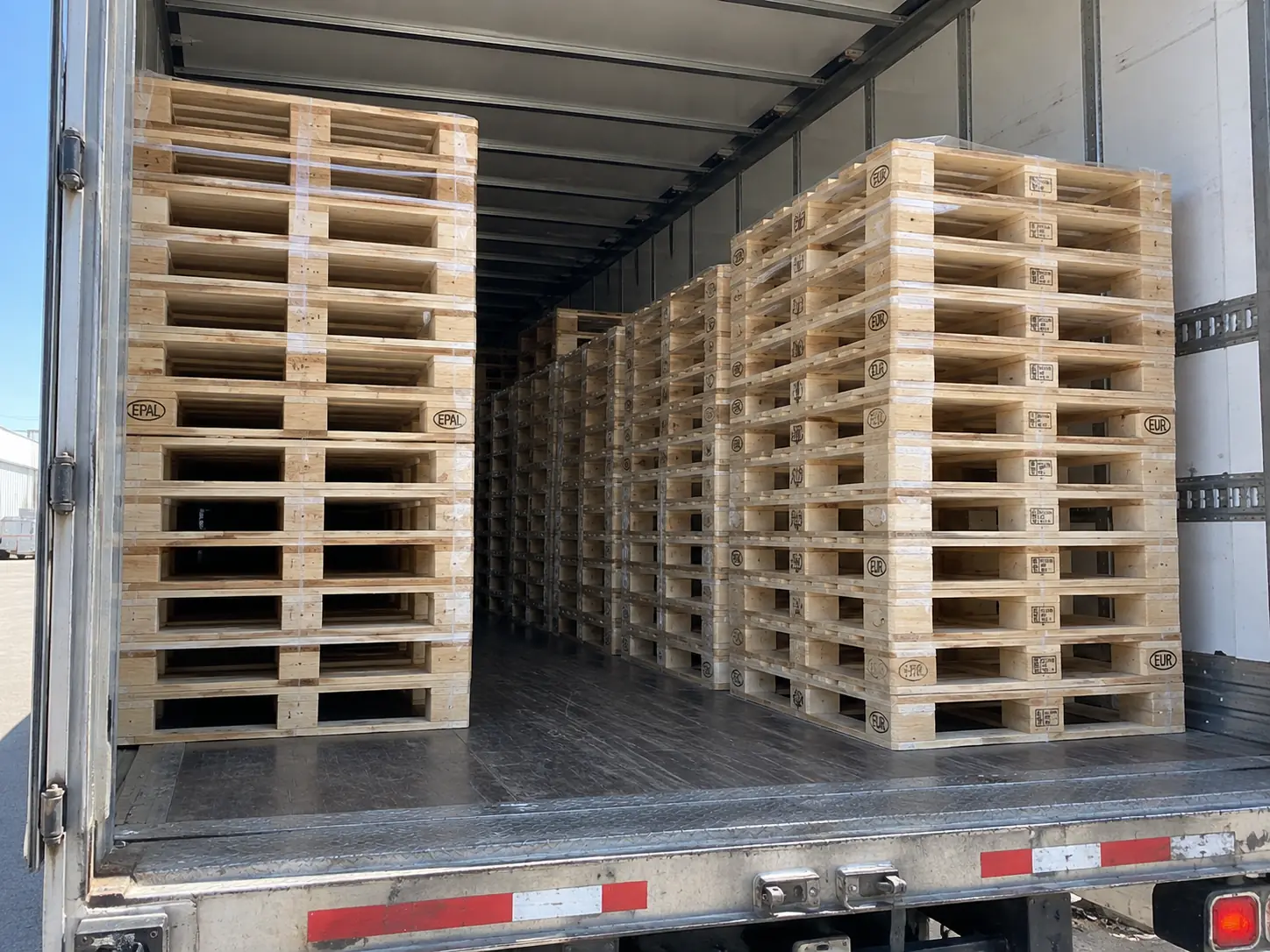
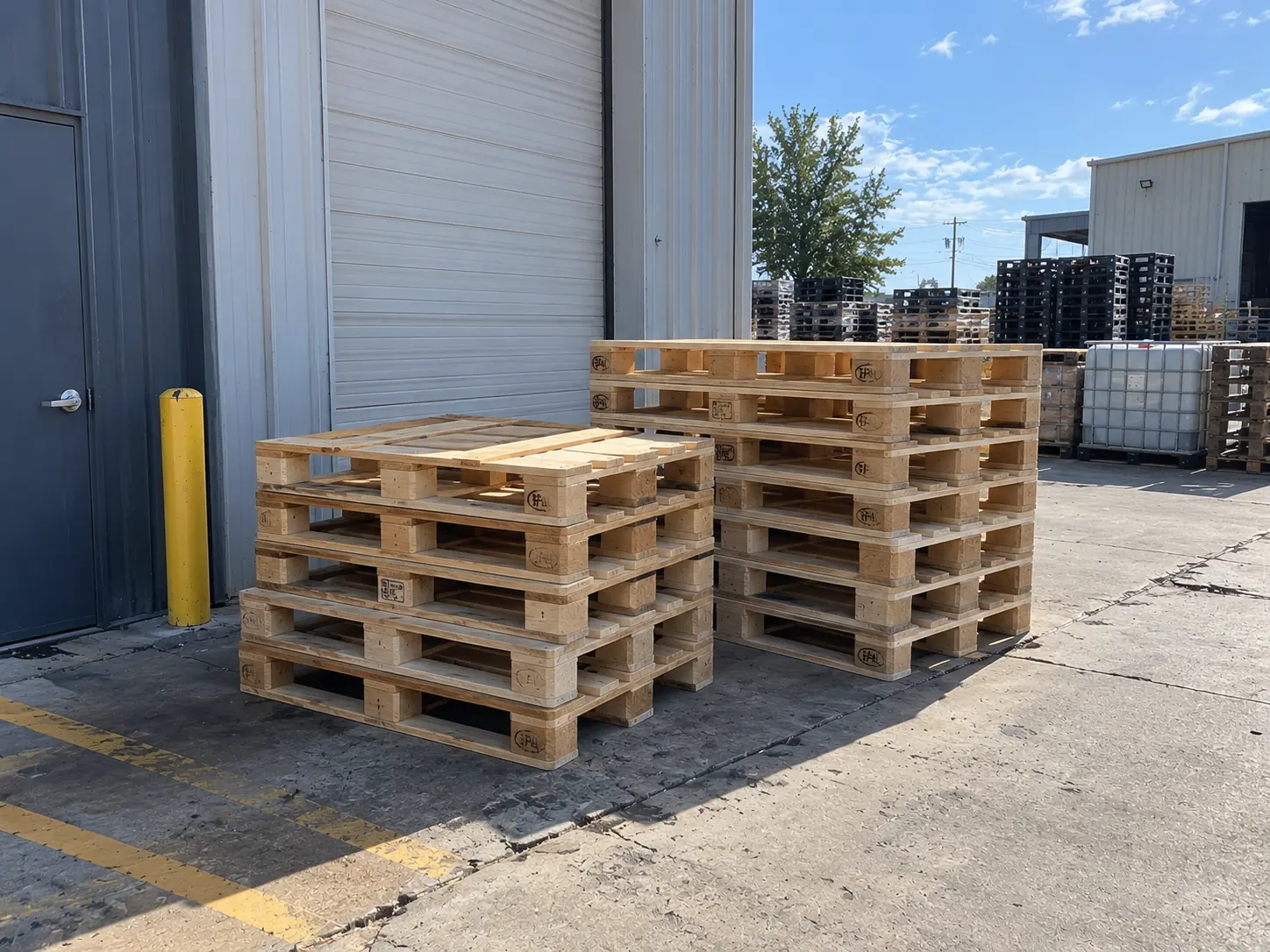
Shuttle and AS/RS systems index on height. A pallet half an inch taller than expected can foul a rail or mis-seat in a bay. This is the failure we see most and the one least often specified against.
Conveyor rollers and chains engage the bottom deck. Missing, shifted or non-chamfered bottom boards cause hang-ups even when the top of the pallet is perfect.
A protruding nail catches a chain, a belt, or a photo-eye bracket. On an automated line this is a stoppage; on a manual dock it is an annoyance. Same pallet, very different cost.
A board that flexes under a roller can trip a jam sensor without actually jamming, which is worse — intermittent faults take far longer to diagnose than hard ones.
Squaring devices have a capture range. Outside it, the pallet is rejected and manually handled, which defeats the automation.
Stringer notches vary between builds and repairs. Systems that engage the pallet from the side frequently prefer block construction for exactly this reason.
| Parameter | Typical automation requirement | Standard recycled stock |
|---|---|---|
| Footprint tolerance | ±1/4 in | ±1/4 to ±1/2 in |
| Height tolerance | ±1/4 in, sorted | Not controlled unless requested |
| Bottom deck boards | All present, chamfered, consistent placement | Present, placement varies |
| Shiners | Zero, inspected | Zero (our standard) — verify with your supplier |
| Construction | Block preferred; jig-built stringer acceptable | Mixed |
| Board thickness | Consistent within a lot | Varies with repair history |
Note that none of these rows mentions colour, uniformity or cosmetic grade. Buying A grade for an automated facility because A grade is "the best" is a common and expensive misunderstanding — A grade describes appearance and repair history, and an automated system cannot see either.
Automation orders come off a separate line. Units are height-sorted with a gauge rather than by eye, bottom decks are inspected specifically for placement and chamfer, and a dedicated final pass checks for shiners on both faces. Where tolerance requirements are tight, we recommend jig-built remanufactured units or block construction rather than straight recycled stock, because a jig holds dimension and a pile of recovered cores does not.
Every piece on this site closes with the slice of our operating record that bears on what it argues. The full record is published at /resources/operating-record.
Note that the automotive and automation block says nothing about appearance. It is entirely about tolerance, fasteners and documentation.