How a drop trailer changes your dock arithmetic
In short
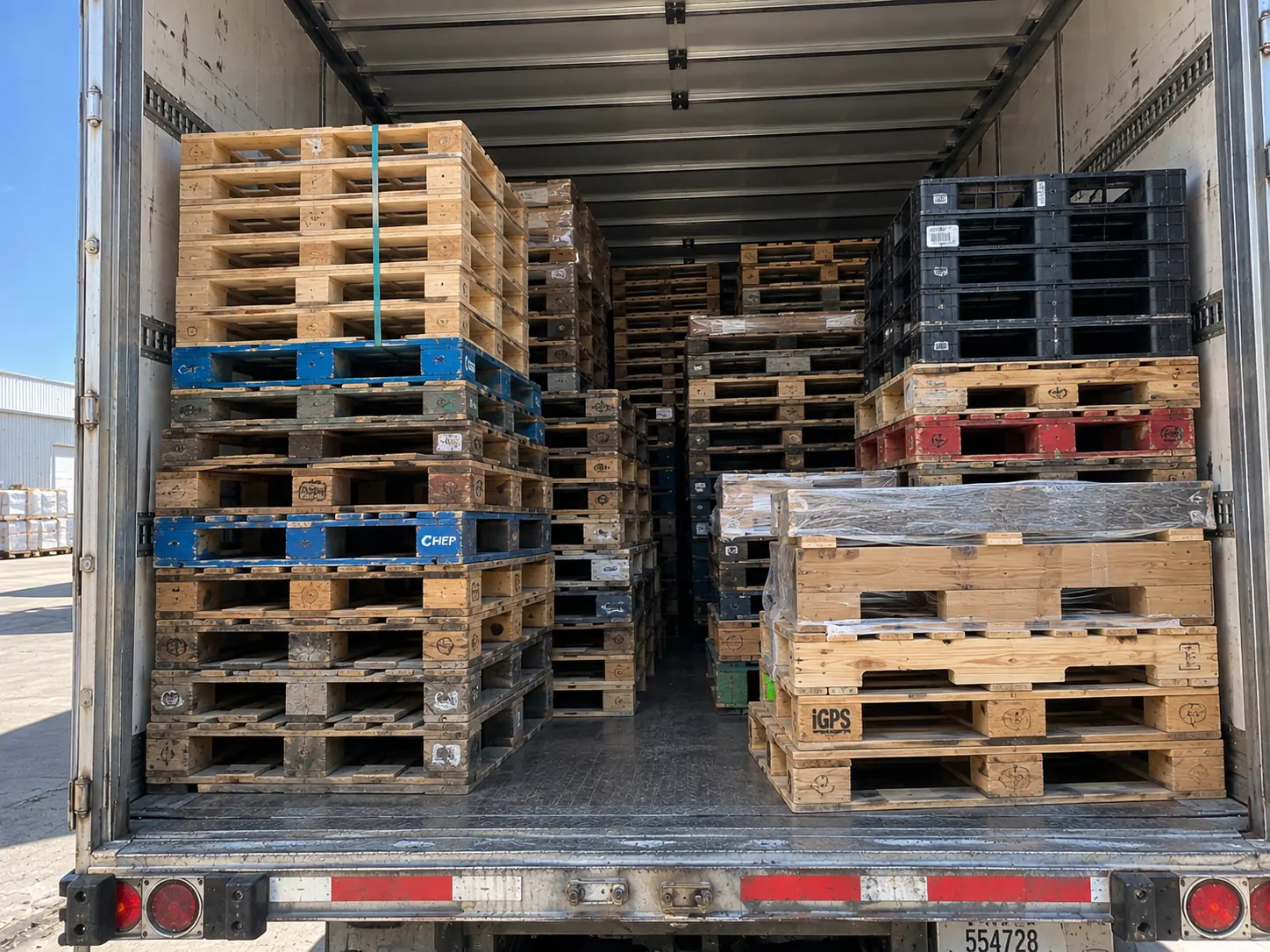
A drop trailer sits at your dock and is loaded gradually, then swapped when full. It removes the need to coordinate a live loading window, it lets your team work pallets into the trailer as part of existing handling, and on most sites it converts a weekly interruption into a monthly one. It needs a parking space and a forklift; it does not need dedicated labour.
Talk to us about this
If this piece describes a problem you actually have, describe it back to us in the message field. You will get a written answer from a person within one business day.
What a live load actually costs
A live collection sounds simple: a truck arrives, you load it, it leaves. In practice it consumes a dock door for an hour or more, requires a forklift and an operator during that window, needs a receiving contact available, and occupies somebody's scheduling attention a day in advance. None of that appears on an invoice, which is why it is invisible.
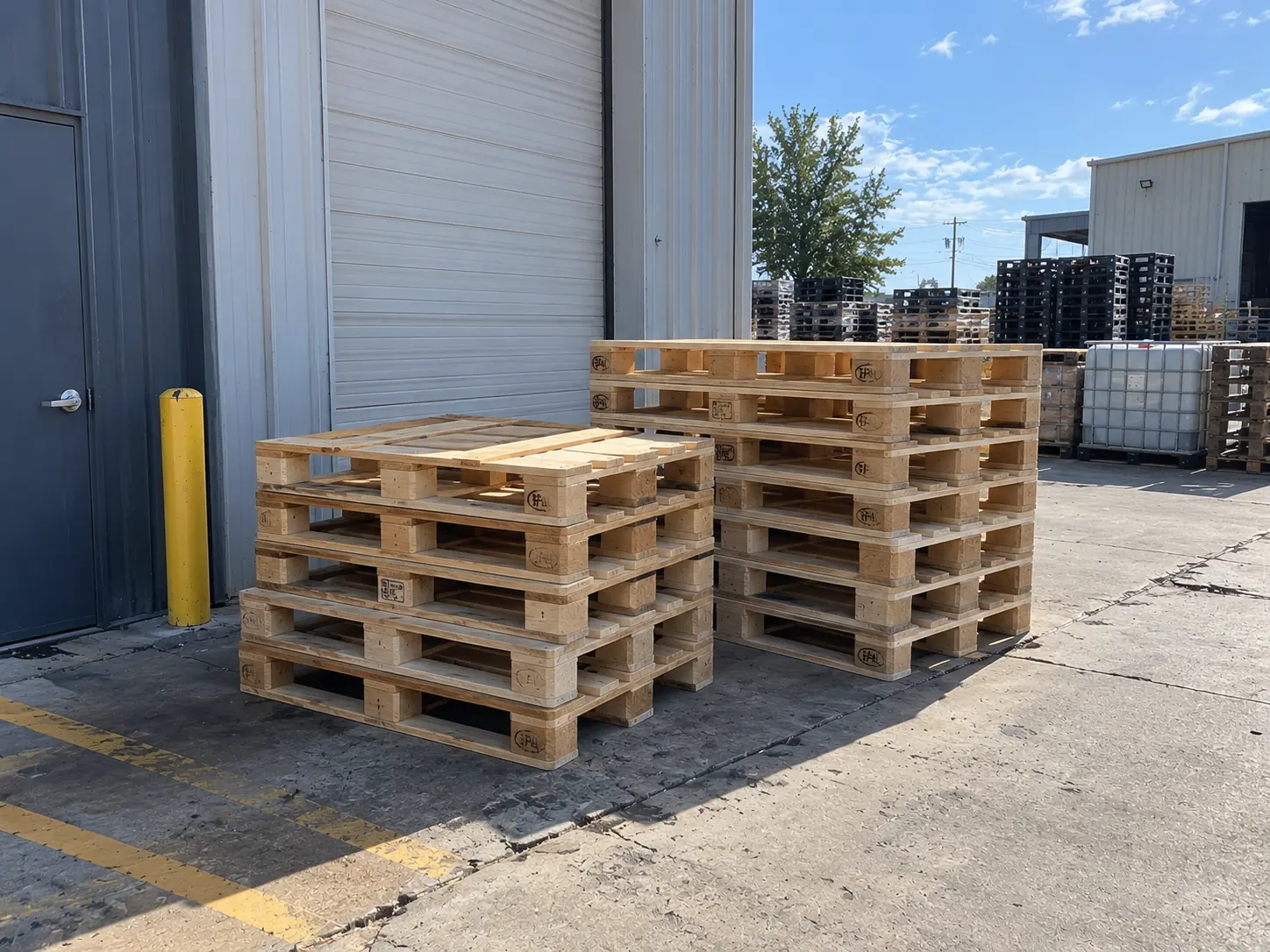
It also concentrates the work. Pallets accumulate all week, get handled once into a pile, then get handled again into a trailer. Double handling for the same wood.
What a drop trailer changes
| Live collection | Drop trailer | |
|---|---|---|
| Dock door occupied | 1–2 hours, weekly | 0 — the trailer sits away from the door |
| Handling passes | Two — to pile, then to trailer | One — straight into the trailer |
| Scheduling attention | Weekly coordination | Monthly swap, arranged once |
| Flexibility for your team | Must load in the window | Load whenever it suits |
| Weather exposure of stock | Exposed until collection | Dry from the moment it is loaded |
| Core value | Reduced if stock gets rained on | Preserved — dry cores are worth more |
That last row is the one people miss. Wet wood is worth materially less than dry wood, and in Ohio a pile sitting outdoors for a week between collections spends a lot of that week wet. Loading into a trailer as you go is the cheapest weather protection available.
What a drop trailer needs from you
- A parking space where a 53-ft trailer can sit without blocking traffic or a fire lane
- Forklift access to the rear of the trailer — either a dock position or a ramp
- Landing gear on reasonably level, firm ground; soft asphalt in July is a genuine consideration
- Some way to secure it overnight if the site is not fenced
- Roughly two or more loads per week of throughput to justify dedicating equipment
Appendix: the data behind this
Every piece on this site closes with the slice of our operating record that bears on what it argues. The full record is published at /resources/operating-record.
Equipment capacities and requirements
A drop trailer needs a parking space rather than an apron manoeuvre, which is why it works at sites where a live collection barely does.
| Equipment | Empty stacked | Floor positions | Apron | Right for |
|---|---|---|---|---|
| 53-ft dry van | ~560 | 28 | 110–130 ft | Dock-height volume, dry cores, banded stock |
| 53-ft flatbed + straps | ~480 | 26 | 90–120 ft | Outdoor piles, wet stock, mixed loads, oversize |
| 48-ft dry van | ~500 | 24 | 95–115 ft | Older sites with shorter aprons |
| 26-ft box truck + liftgate | ~140 | 12 | 45–70 ft | Urban docks, alleys, retail, no forklift on site |
| Drop trailer (customer loaded) | ~560 | 28 | Parking only ft | Irregular accumulation, weather protection, no live load |
| Walking floor | — | — | 100–130 ft | Bulk mulch, bedding, hog fuel by the cubic yard |