Fabric tears on the deck edge
Overhanging fabric drapes over the deck edge and takes the full weight of the bag along a sharp line. On a hardwood board edge that is a slow cut.
Flexible intermediate bulk containers slump outward as they fill and settle, so a bag that measures within a 48×40 footprint empty will overhang it full. The 48×48 square exists largely to contain that slump. Getting this wrong produces torn bag fabric, crushed lower layers and a damage pattern that gets blamed on handling.
If this piece describes a problem you actually have, describe it back to us in the message field. You will get a written answer from a person within one business day.
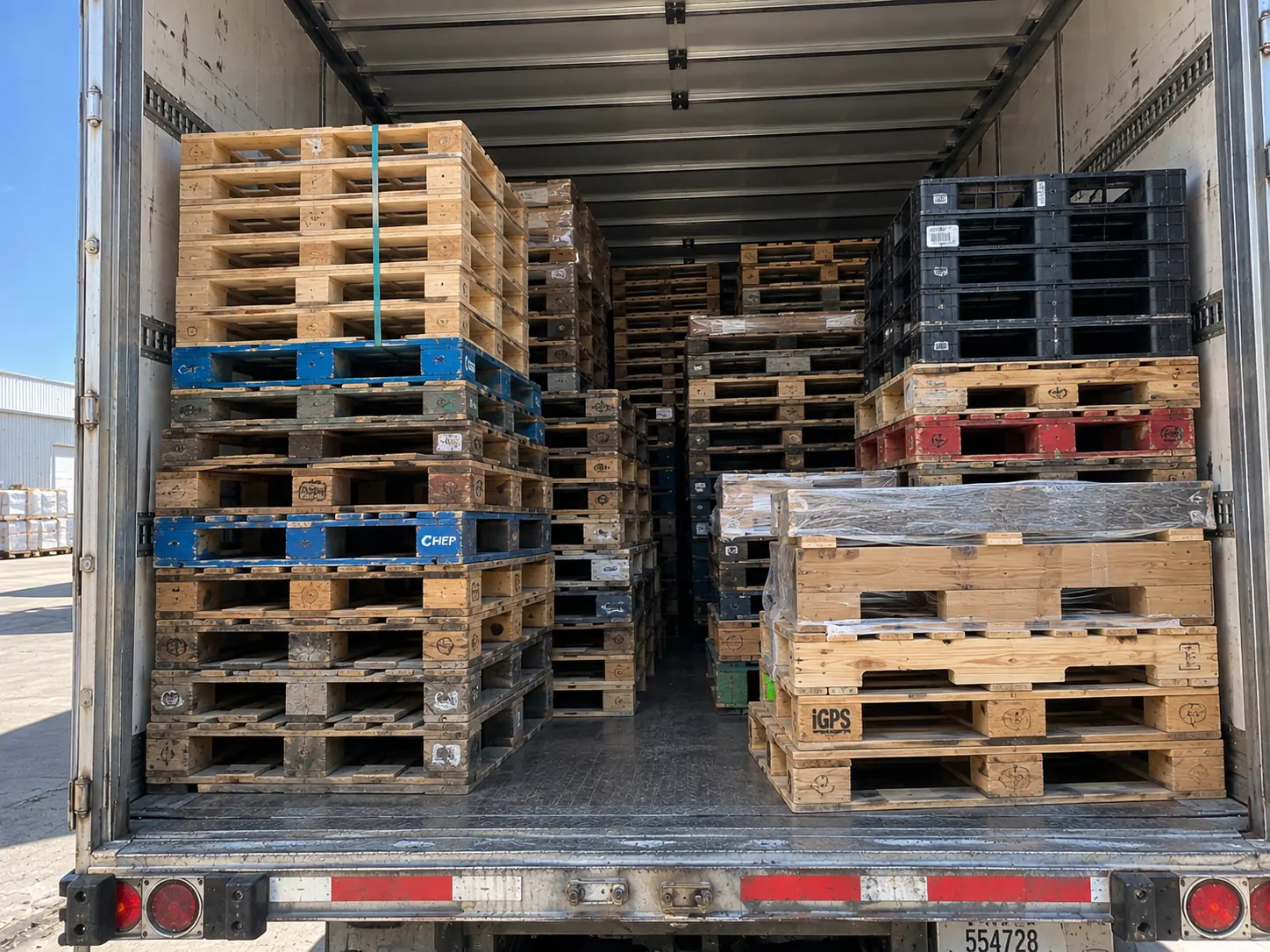
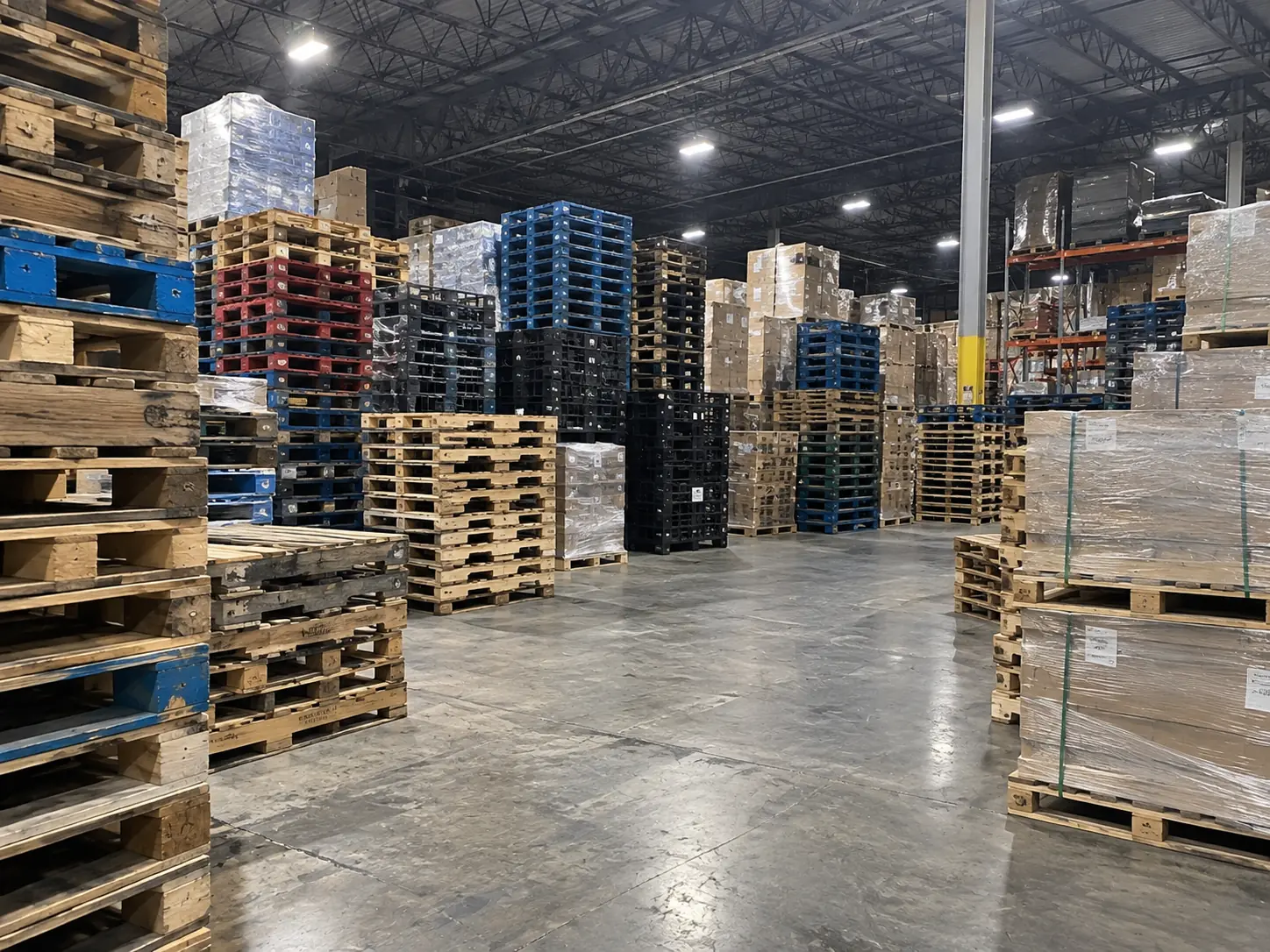
A bulk bag has no rigid structure. Filled, it becomes a column of material held by fabric, and that column spreads under its own weight until fabric tension stops it. The spread continues for hours after filling as the contents settle, and it increases again in transit as vibration compacts the load.
This means the dimension that matters is not the bag's nominal size but its settled diameter under load, and that is routinely four to eight inches larger than people expect. A bag specified as fitting a 48×40 frequently means fitting it flat and empty.
Overhanging fabric drapes over the deck edge and takes the full weight of the bag along a sharp line. On a hardwood board edge that is a slow cut.
A standard 3.5-inch deck gap lets fabric sag into the void and abrade. Tight-laid or solid deck removes the problem.
Overhanging bag contacts the beam rather than sitting inside the bay, which damages the bag and occasionally the rack.
A slumped bag has no corners to carry load. Stacking one on another transfers weight into fabric rather than structure.
A bag that is wider than its pallet sits unevenly, loading two of the four lift loops disproportionately.
All of the above gets recorded as handling damage, which sends the investigation in the wrong direction for months.
Every piece on this site closes with the slice of our operating record that bears on what it argues. The full record is published at /resources/operating-record.
48 × 48 was 6.1% of intake and rising year on year, driven largely by bulk bags and by battery and energy freight.
The backbone. Everything else is a deviation from it for a reason.
Drums and bulk bags. Rising year on year with battery and energy freight.
Chemical and paint. Recovered supply thin; mostly remanufactured.
Concentrated almost entirely in our Detroit and Bowling Green lanes.
Seasonal — peaks June to September with our St. Louis and brewery accounts.
Arrives as import packaging and accumulates at importers, mainly Chicago.
Asia-sourced freight. Prime remanufacture feedstock for 42 × 42.
Stringers on the 40-inch axis. Frequently mis-ordered as a 48 × 40.
Roughly forty further footprints across the year, none above 0.9%.