What happens when a container is held for wood packaging
In short
When an importing inspector finds non-compliant wood packaging, the container is held and the shipper chooses between on-site treatment, re-export or destruction — all at their cost, all measured in days. The most common causes are not the pallet at all: untreated dunnage, bark on an otherwise compliant unit, an illegible stamp, or visible pest activity on treated wood.
Talk to us about this
If this piece describes a problem you actually have, describe it back to us in the message field. You will get a written answer from a person within one business day.
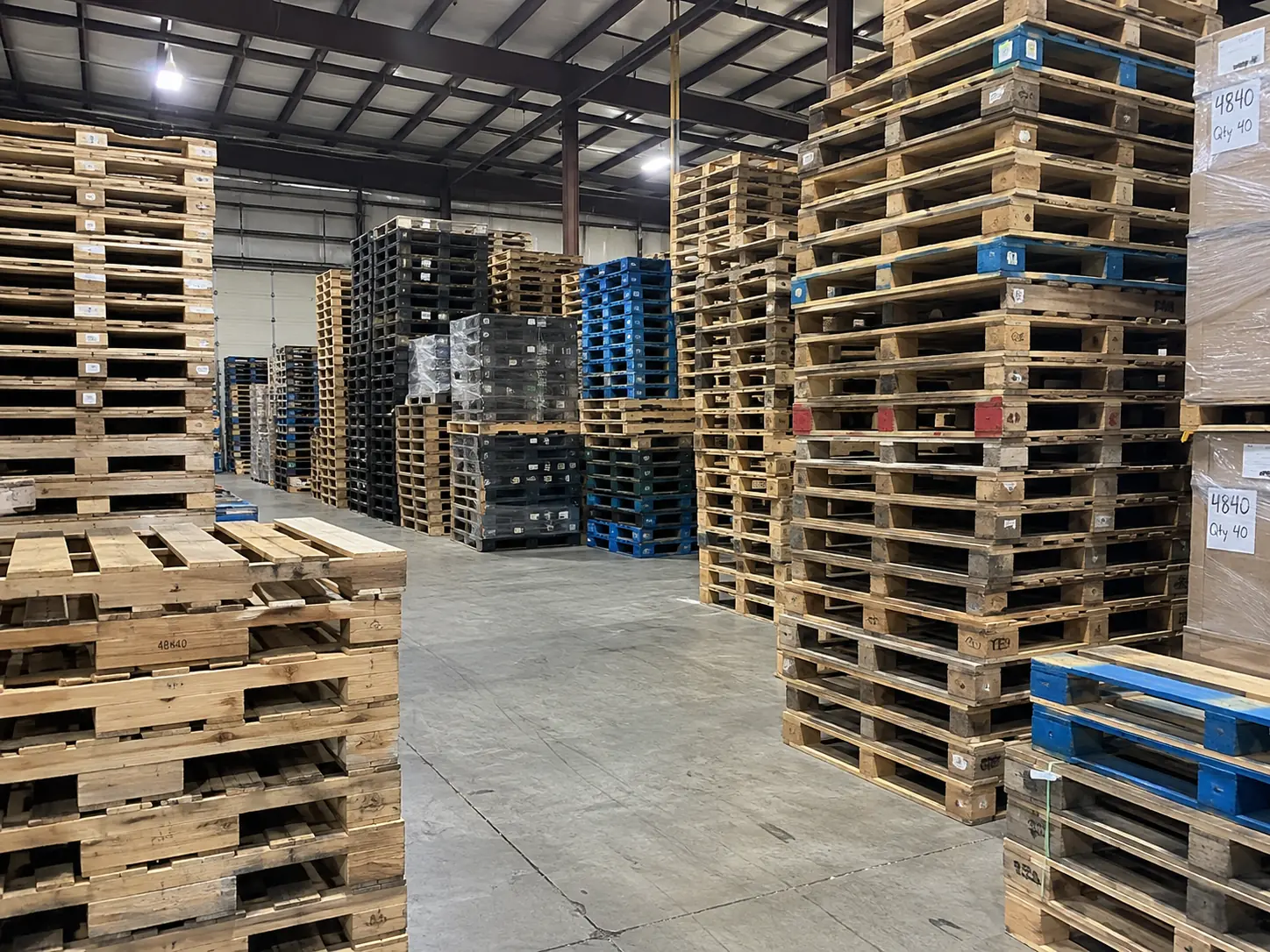
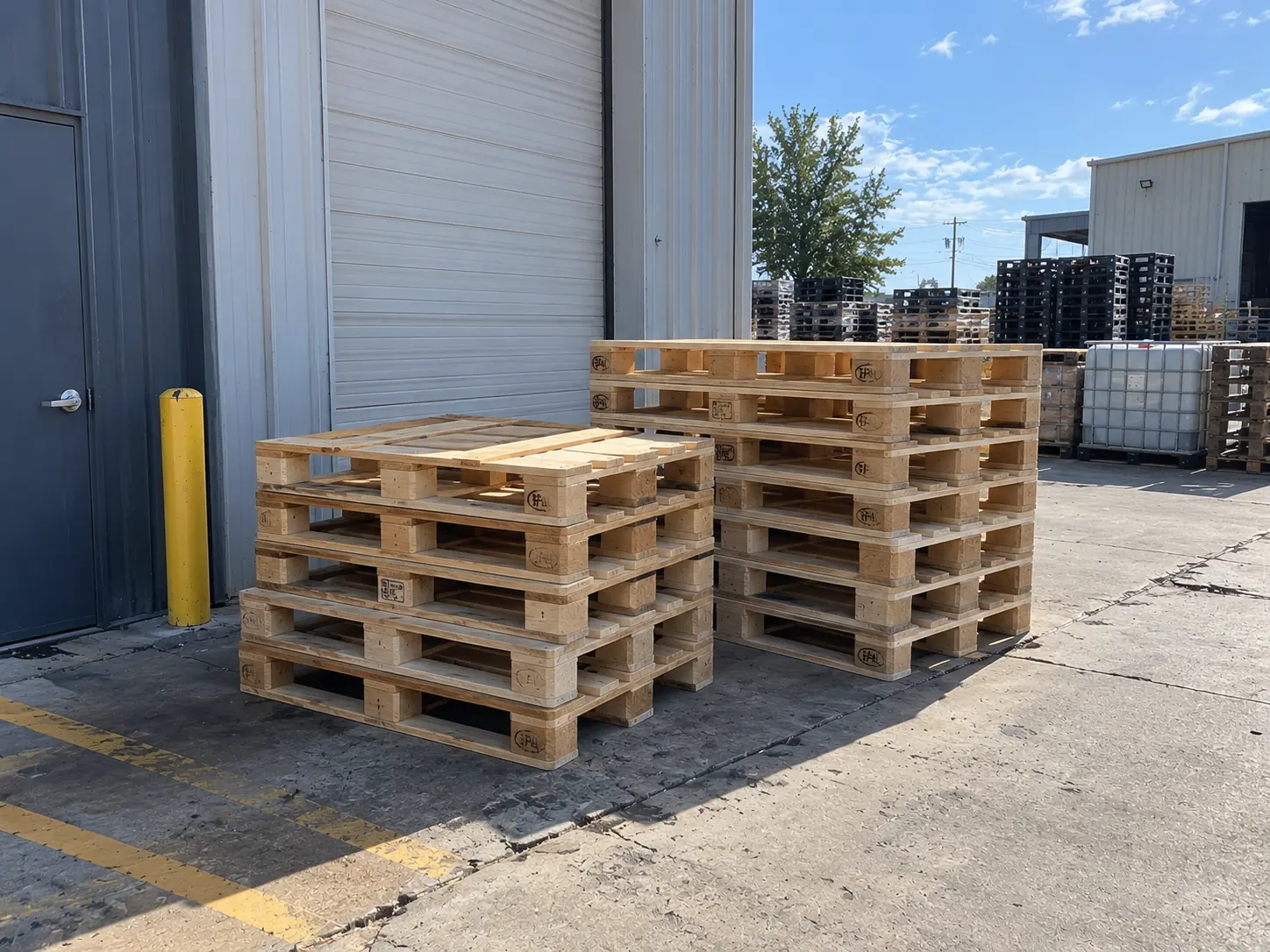
The sequence, once it happens
- Inspection and detention
The container is pulled and held. Demurrage and detention charges begin accruing immediately, and they accrue whether or not anybody is doing anything about it.
- Notification
The consignee is notified, then the shipper. In practice this takes longer than it should, particularly across time zones, and the clock is running throughout.
- The choice
On-site treatment where the destination permits it, re-export of the packaging or the whole container, or destruction. All three are at the shipper's cost.
- Execution
On-site fumigation requires an approved facility and a slot. Re-export requires booking space. Destruction requires a permit. None of these happen the same day.
- Release
Typically five to fifteen days after detention in a straightforward case. Longer if the destination requires reinspection or if the shipment crosses a holiday.
The direct costs are demurrage, detention, treatment or destruction fees, and often a re-inspection charge. The indirect costs — a production line waiting for components, a retail delivery window missed, a customer relationship — are usually larger and are never itemised anywhere.
What actually causes holds
| Cause | How common | Prevention |
|---|---|---|
| Untreated dunnage or bracing | Very common | Treat everything solid and wooden in the container, including offcuts |
| Bark present on treated wood | Common | Specify debarked stock; inspect before loading |
| Illegible or obscured stamp | Common | Check stamps are visible on two opposite sides after loading, not before |
| Visible mould or damp | Common | Ship dry; never load damp wood into a sealed container |
| Live insect activity | Occasional | Inspect at loading; treated wood can be re-infested in storage |
| No treatment at all | Occasional | Usually an assumption that a domestic pallet was fine |
| Wrong treatment code for destination | Rare | Check destination requirements — some reject MB outright |
A loading checklist that works
- Every solid wood item over 6 mm in the container is treated and marked — pallets, crates, dunnage, blocking, bracing, chocks.
- Stamps are visible on two opposite sides of each unit after loading, not just before.
- No bark anywhere. Check the stringer edges particularly, where it survives.
- Wood is dry, with no mould bloom, no damp, no staining.
- Treatment records are on file against the shipment reference and can be produced within the hour.
- Destination requirements verified for this specific country and commodity, not assumed from last time.
- Photographs of the loaded container taken before the doors close — these settle disputes about what was actually in there.
Plywood, OSB and particleboard are exempt because manufacturing already eliminates pest risk, which makes plywood crating a genuine simplification for shippers who run frequent export lanes. Plastic pallets are exempt for the same reason. On a regular container programme, that exemption is worth real money.
Appendix: the data behind this
Every piece on this site closes with the slice of our operating record that bears on what it argues. The full record is published at /resources/operating-record.
Kiln cycle times, and why lead time is what it is
Export orders add five to seven days for kiln scheduling. This table is why — and why a wet load costs extra hours on top.
| Species | Section | Starting MC | Typical cycle | Note |
|---|---|---|---|---|
| Yellow poplar | 1.5 in stringer | 14% | 4.5 – 5.5 hrs | Fastest common stringer stock we treat. |
| Southern yellow pine | 1.5 in stringer | 15% | 5.0 – 6.5 hrs | Resin can extend hold time in a heavily loaded chamber. |
| Red oak | 1.5 in stringer | 16% | 6.5 – 8.5 hrs | Dense and slow. The species that sets our scheduling. |
| Hard maple | 1.5 in stringer | 15% | 7.0 – 9.0 hrs | Longest routine cycle on our board. |
| Mixed hardwood | 3.5 in block | 17% | 8.5 – 10.5 hrs | Block pallets probe in the block, never the deck. |
| Any | Above 19% MC | 20%+ | +2.0 – 3.5 hrs | Wet stock costs kiln hours. This is why we ship dry. |