How to run a pallet audit in one afternoon
In short
Most operations do not know what pallets cost them, because the spend is spread across packaging, waste disposal, damage claims and floor space, and no single line adds up to a number anyone notices. A four-hour audit — count the pile, read the waste invoices, walk the grades, check the racking and measure the square footage — typically finds 18 to 34 percent of avoidable cost in the first pass.
Talk to us about this
If this piece describes a problem you actually have, describe it back to us in the message field. You will get a written answer from a person within one business day.
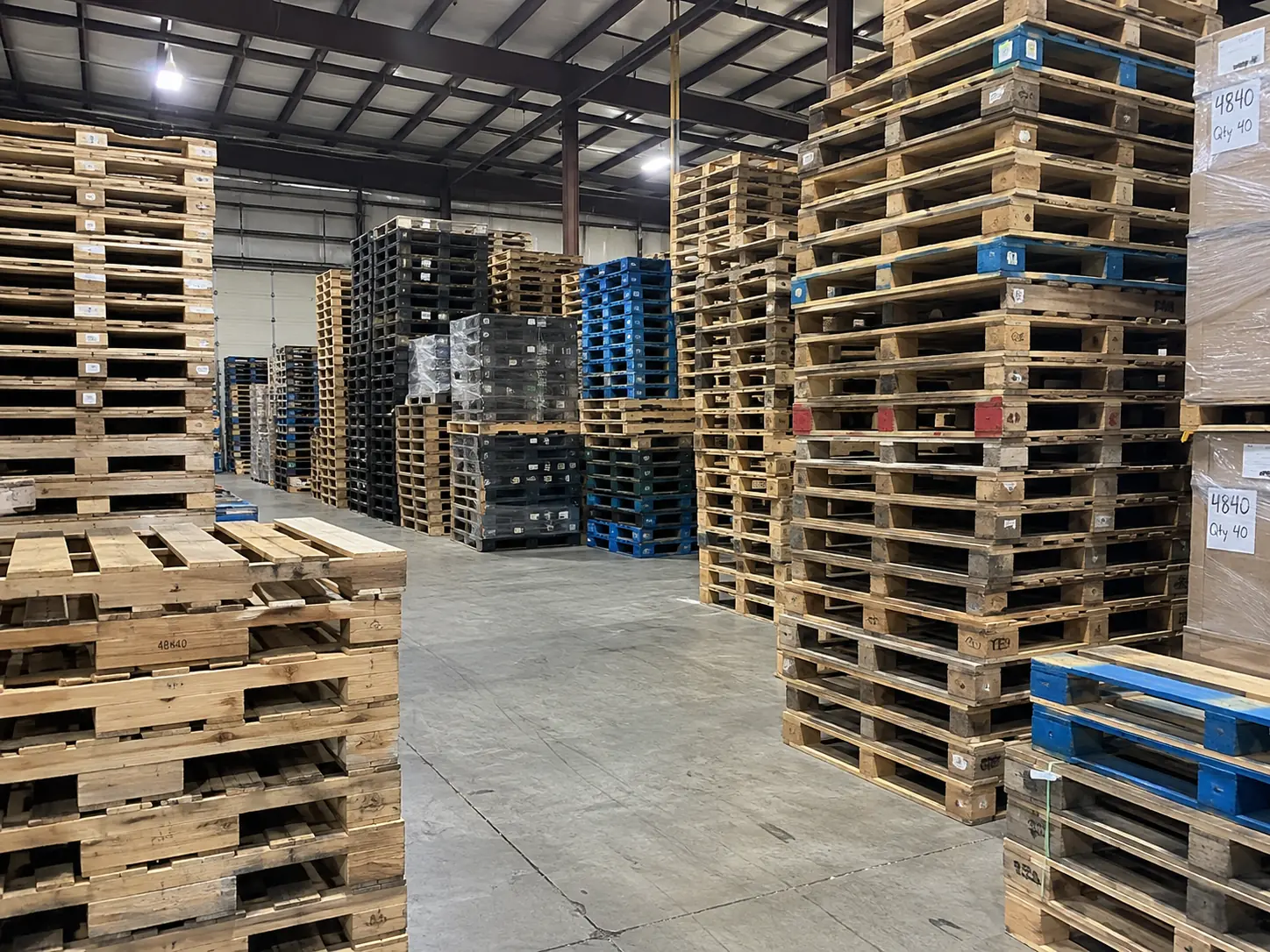
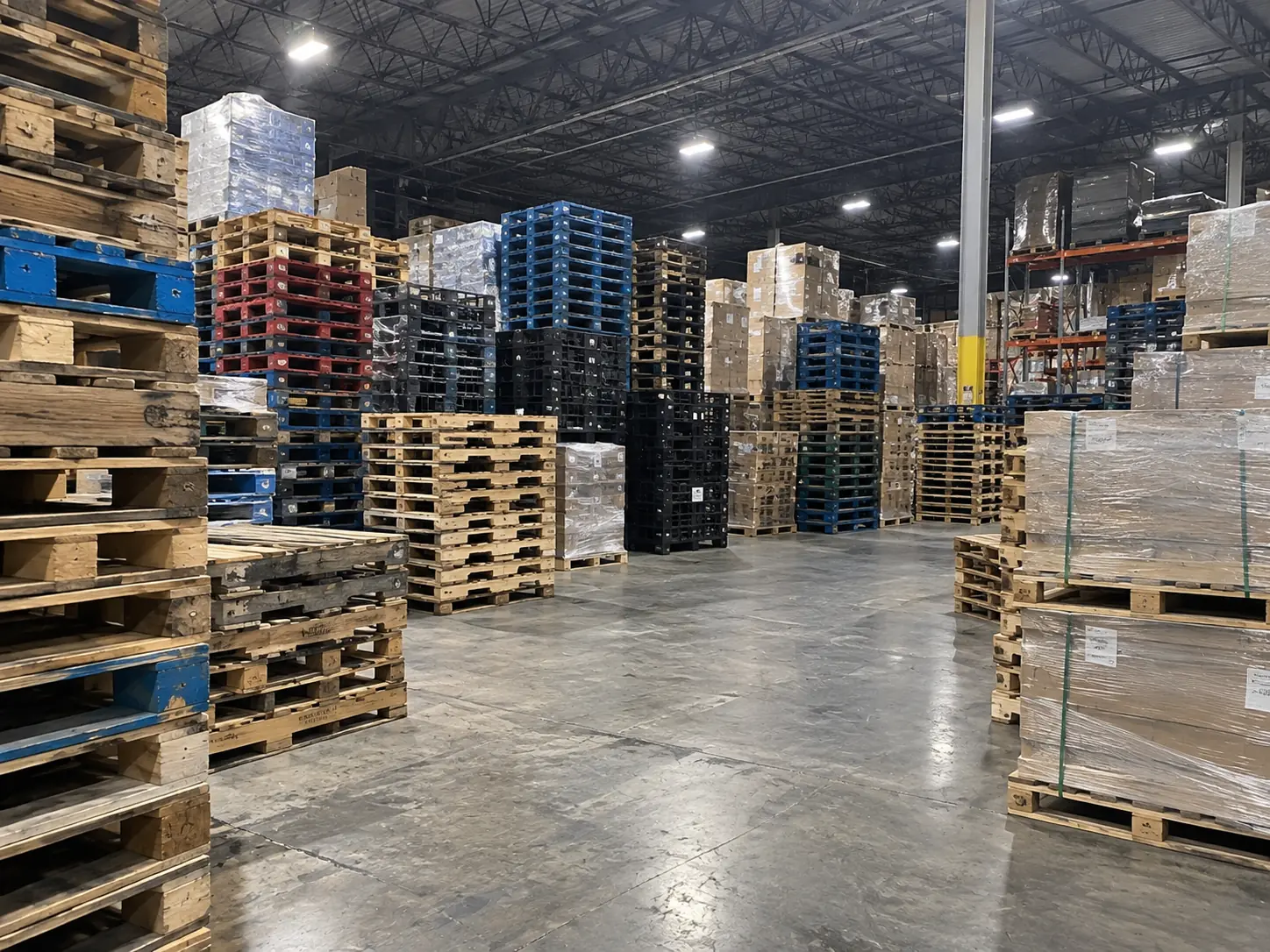
Hour one: count what is actually there
Walk the site and count. Not an estimate — an actual count, or a careful count of one stack multiplied by stacks. Record four numbers: pallets under product, pallets empty and serviceable, pallets empty and broken, and pallets you cannot identify a purpose for.
The fourth number is usually the interesting one. Almost every site has a population of pallets that belong to nothing, arrived with something, and have been quietly migrating around the yard for months. They are pure cost: they occupy space, they are a fire load, and they have market value nobody is capturing.
Hour two: read the invoices
- Packaging or MRO spend: what did you pay for pallets in the last twelve months, and at what unit price?
- Waste and hauling: is there a line for wood, C&D, or a dumpster pull that is mostly pallets? Extract the tonnage.
- Damage claims: how many transit damage claims in the last year mention pallet failure, overhang or load shift?
- Pooling: if you use a pool, what were the non-transfer and loss charges, separately from the per-trip fees?
- Labour: is anybody spending part of their week moving, sorting or breaking up pallets? Estimate the hours honestly.
Hour three: walk the grades
Go and look at where pallets are actually used, and ask one question at each point: does this pallet ever leave the building, and does it ever go into a rack? Those two answers determine the correct grade, and the answer is very often "no" and "no" — which means the application needs an economy pallet and is probably being served with a premium one.
| Where it is used | Correct grade | What is usually being used |
|---|---|---|
| Retail-facing grocery shipments | A / #1 | A / #1 — correct |
| Racked long-term storage | A or B / #1 | Often correct |
| General outbound distribution | B / #1 | Frequently A — over-specified |
| Inbound raw material receiving | B / #2 | Frequently A or B #1 — over-specified |
| Internal movement, never leaves site | #2 economy | Almost always over-specified |
| Scrap and yard staging | #2 economy | Often a premium pallet, unnoticed |
Hour four: measure the space and write it up
Measure the footprint the idle pile occupies, in square feet. Multiply by your all-in occupancy cost per square foot — rent, utilities, insurance, everything. That number is what the pile costs you per year to store, and it belongs in the pallet budget even though no accounting system will ever put it there.
Then write one page. Current annual pallet purchase; current annual disposal; damage claims attributable to pallets; floor space cost; labour hours. The total is almost always larger than anyone at the site expected, and that total is what makes it possible to get a change approved.
Appendix: the data behind this
Every piece on this site closes with the slice of our operating record that bears on what it argues. The full record is published at /resources/operating-record.
Where the wood went, by weight
An audit asks what happens to your pallets after they leave. This is what happens to them here, by weight, with the disposal line named rather than absorbed.
| Stream | Share by weight | Tons | Destination |
|---|---|---|---|
| Direct reuse | 55.3% | 27,240 | Back out as a graded pallet, no tool used |
| Repair and return | 27% | 13,300 | Bench repair, regraded, banded |
| Board harvest | 9.1% | 4,483 | De-nailed lumber into our own repair stock |
| Remanufacture | 5.2% | 2,562 | Jig-built into 42×42, 36×36, 48×45 and custom |
| Fibre recovery | 2.9% | 1,429 | Mulch, playground fibre, animal bedding, hog fuel |
| Ferrous recovery | — | 1,186 | Baled nails and banding to regional scrap processors |
| Licensed disposal | 0.5% | 246 | Chemically treated, MB-stamped and non-wood debris |