The first 90 days of a managed pallet programme
In short
A managed programme replaces separate supply, removal, repair and recycling vendors with one closed loop. Onboarding runs discovery in week one, written specification in week two, a single-site pilot through week six, and staged rollout to week twelve. The largest single contributor to first-year savings is almost never unit price — it is grade right-sizing, followed by paired delivery and collection freight.
Talk to us about this
If this piece describes a problem you actually have, describe it back to us in the message field. You will get a written answer from a person within one business day.
Week one: discovery, and the invoices
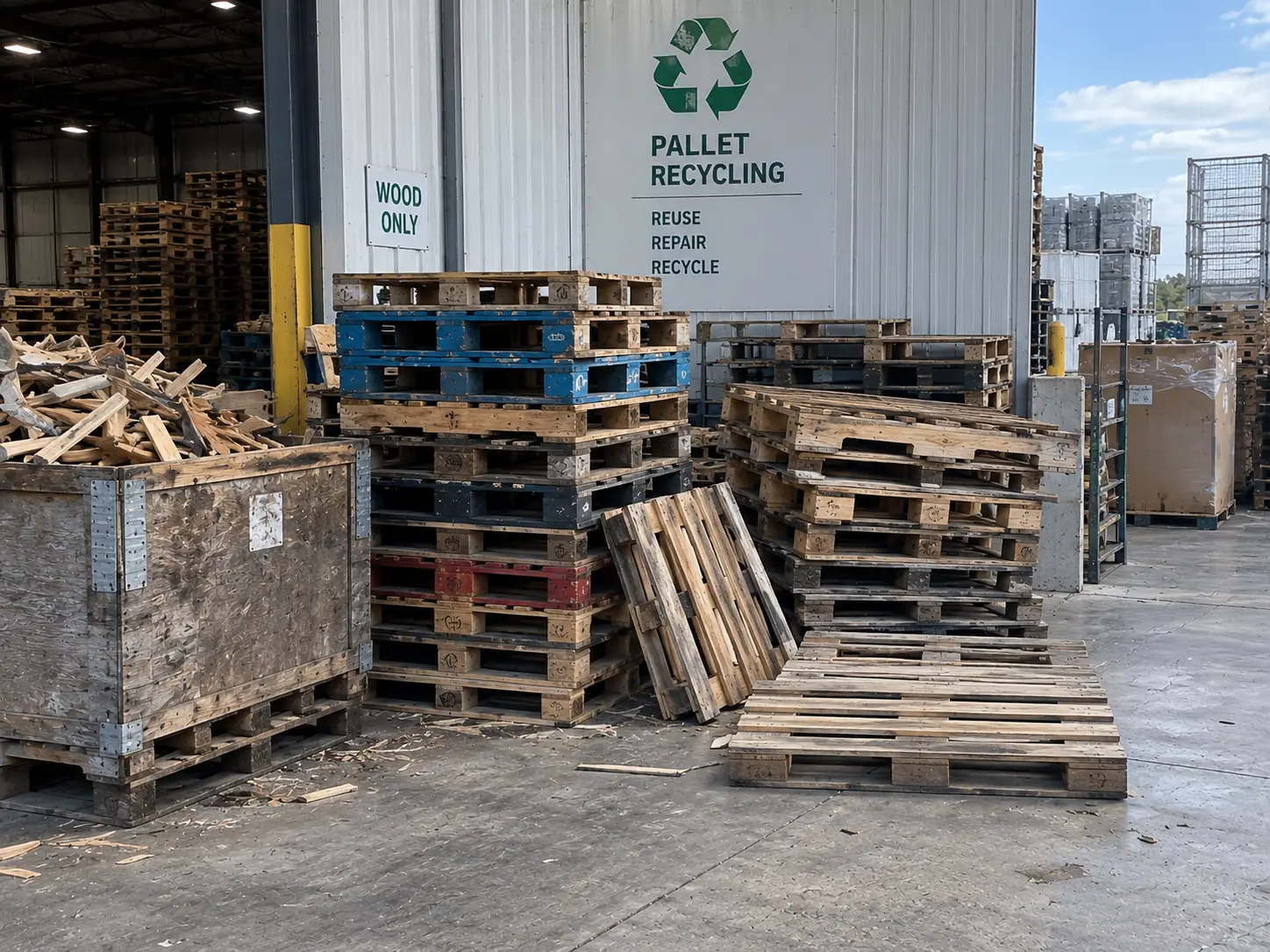
We walk each site with your operations contact and we read two years of invoices. The walk tells us volumes, grades in actual use, dock constraints and where pallets accumulate. The invoices tell us what is being spent, and they are frequently more surprising than the walk.
The single most common discovery is a site paying to buy pallets and paying a waste hauler to remove pallets in the same month, from the same building. Neither invoice is large enough to attract attention alone. Together they are usually the largest avoidable cost on the site, and they are found by reading rather than by consulting.
Week two: a written specification
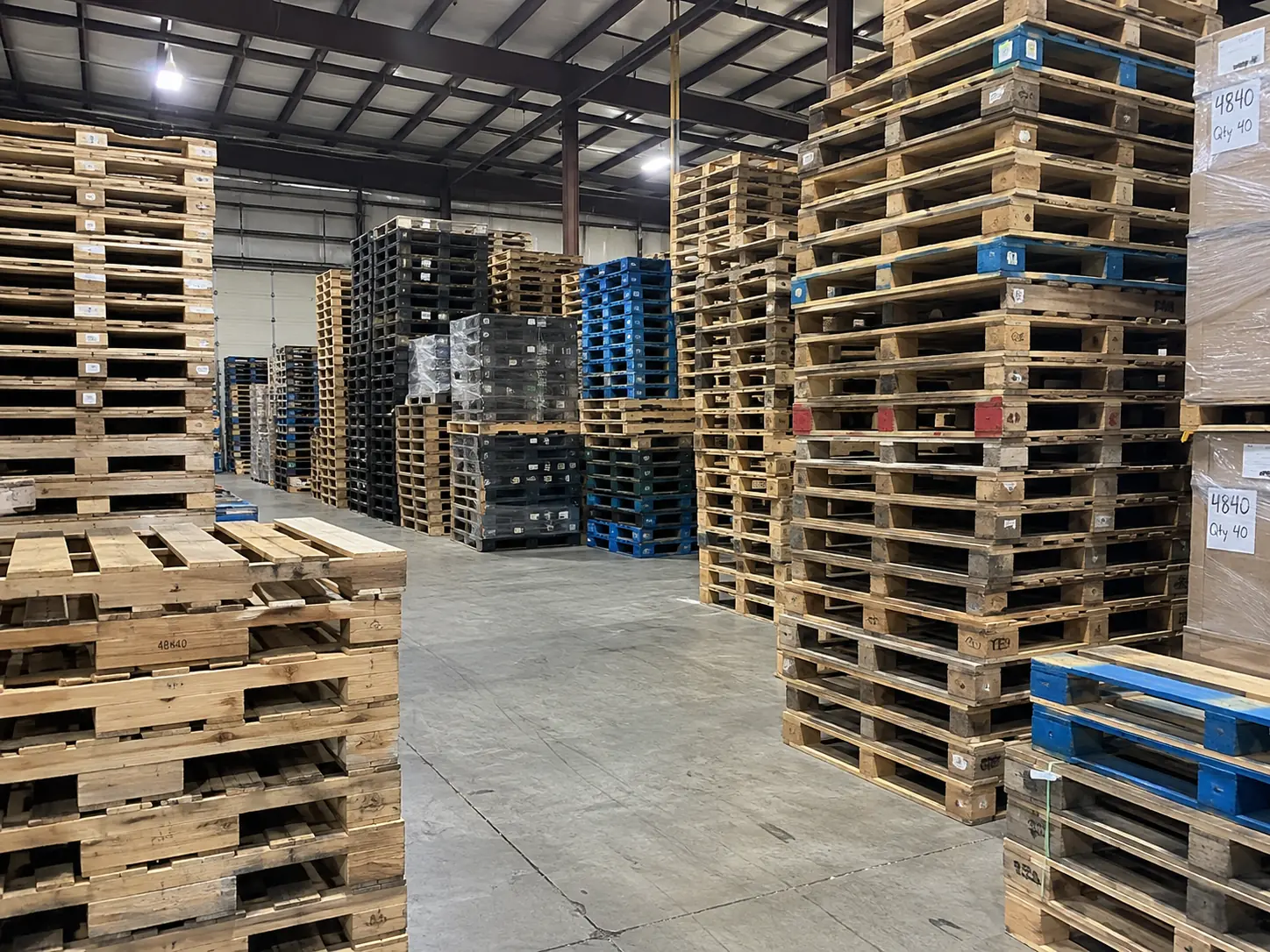
Grade by application, written down, and issued to receiving. Not "we use A grade" but: racked storage takes A or B #1; outbound distribution takes B #1; inbound receiving takes B #2; internal movement takes #2 economy. With rejection criteria attached, so a receiving clerk can apply it without judgement calls.
This document is where most of the savings originate. Over-specifying grade is the most expensive habit in pallet purchasing, and it persists because nobody ever writes down which pallets go where.
Weeks three to six: one site, running live
- Schedule set against real accumulation
Not a guess. We size the collection cadence and the trailer against what the site actually generates, measured rather than estimated.
- Paired freight established
Deliveries and collections combined onto single truck movements wherever geography allows. This is the second-largest saving and it requires nothing from you except telling us.
- Sort-and-repair stream started
Damaged units are separated and assessed rather than scrapped. The proportion that needed one deck board is usually higher than anybody expects.
- Reporting baseline
First month of weighbridge data, by destination stream. This becomes the number everything afterwards is measured against.
- Tuning
Almost everything gets adjusted in weeks five and six. Trailer size, collection day, grade split. The pilot exists to be wrong cheaply.
Weeks seven to twelve: rollout, in volume order
Remaining sites come on largest first, because that is where the learning from the pilot has most value and because it front-loads the saving. Reporting consolidates into a corporate roll-up alongside per-site detail. Invoicing consolidates, with core credits netted against supply.
| Where the first-year saving comes from | Typical share |
|---|---|
| Grade right-sizing | Largest single contributor |
| Paired delivery and collection freight | Second |
| Core value recovered rather than discarded | Third |
| Repair instead of replacement | Fourth |
| Eliminated disposal charges | Fifth |
| Unit price negotiation | Smallest — and the one everybody starts with |
Appendix: the data behind this
Every piece on this site closes with the slice of our operating record that bears on what it argues. The full record is published at /resources/operating-record.
Freight share by distance band
Paired delivery and collection is the second-largest saving in a programme. This table shows how much of the invoice it is acting on.
| Distance band | Freight share | Cadence | Note |
|---|---|---|---|
| 0 – 30 miles | ~6% | Same day / next day | Freight is a rounding error. Grade choice dominates the invoice. |
| 31 – 75 miles | ~11% | Twice weekly | Still unit-price led. Split drops start to hurt here. |
| 76 – 130 miles | ~19% | Weekly | The crossover band. Full loads materially cheaper per unit. |
| 131 – 200 miles | ~27% | Weekly / biweekly | Round-trip pairing becomes the single largest lever available. |
| 201 – 250 miles | ~34% | Biweekly consolidated | Edge of company equipment. Split drops rarely make sense. |
| 251 – 400 miles | ~41% | Consolidated / partner | Brokered at cost plus a disclosed fee. We label it as such. |
| Over 400 miles | ~48% | Partner lane | Freight exceeds the wood. We will usually say so and suggest somebody closer. |