Dock scheduling: the appointment you keep missing
In short
Most missed dock appointments trace to three causes: windows that are too narrow for the variability of the route, appointment systems that do not distinguish live loads from drop swaps, and a communication gap where the driver knows about a delay an hour before the coordinator does. All three are fixable, and fixing them is cheaper for both sides than absorbing the misses.
Talk to us about this
If this piece describes a problem you actually have, describe it back to us in the message field. You will get a written answer from a person within one business day.
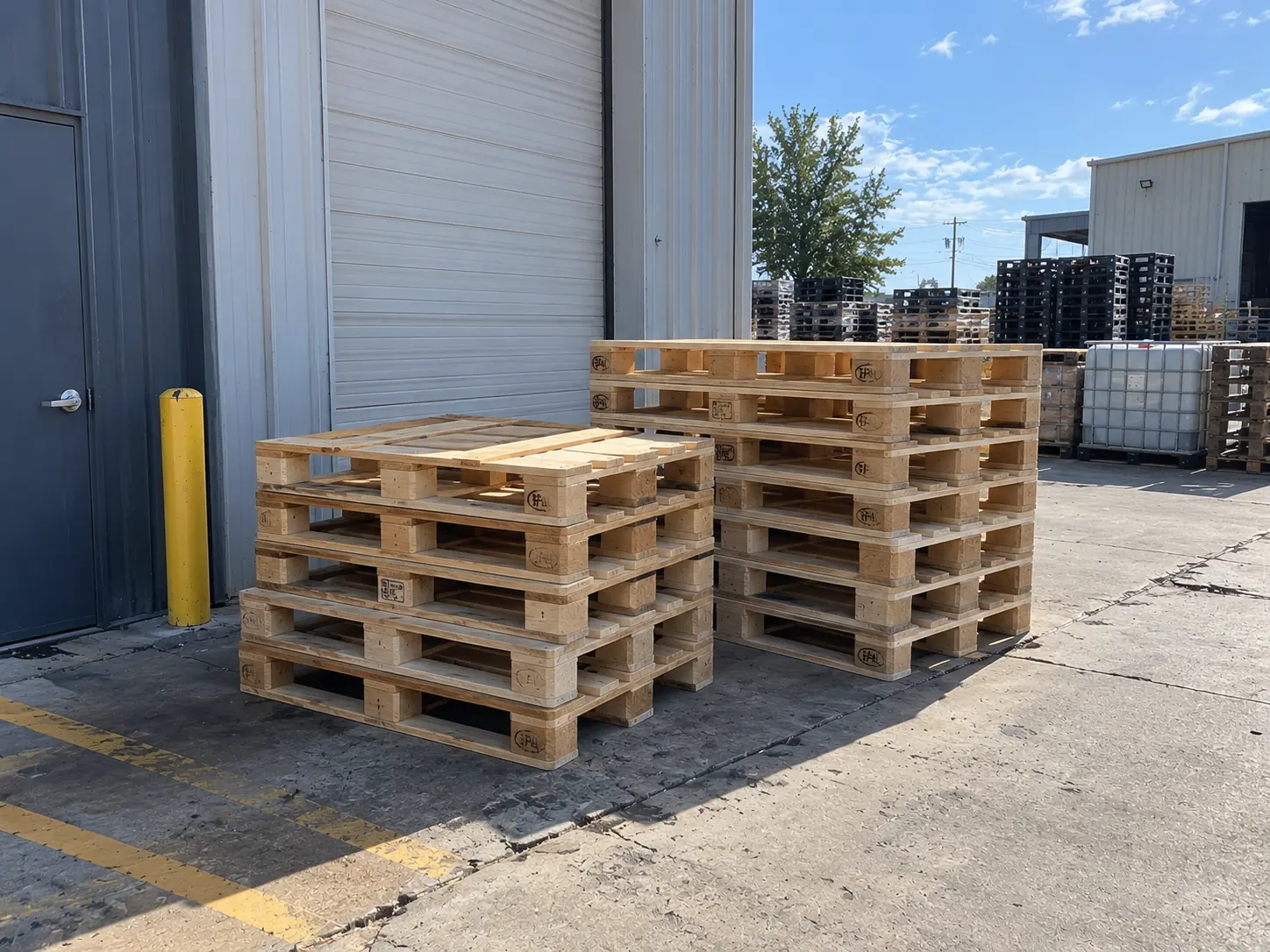
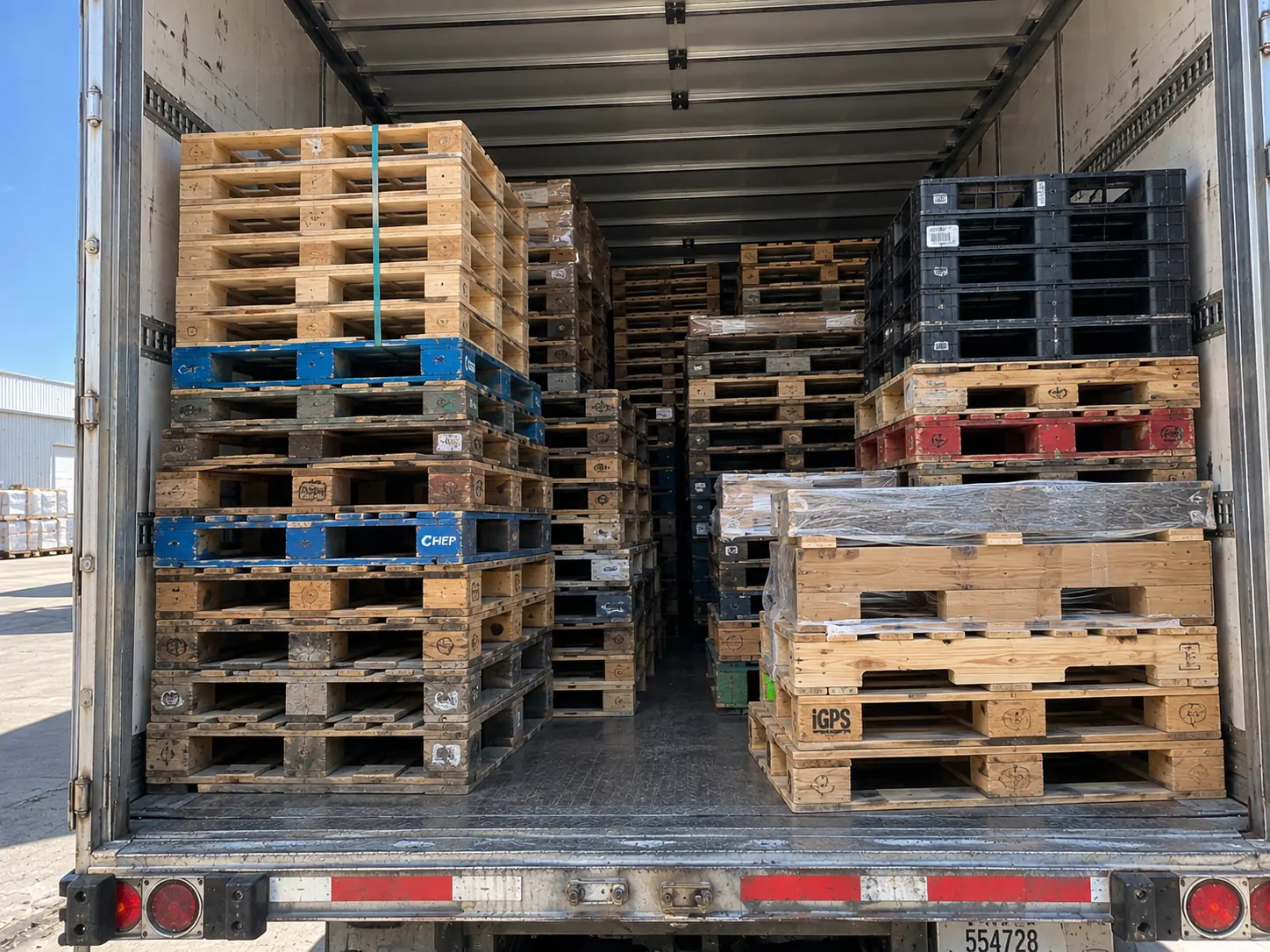
Windows that were never achievable
A route with four stops accumulates variability at each one. Dock congestion, a forklift on another job, a receiving clerk at lunch, a trailer that takes longer to strap than expected. By stop four, an hour of drift is normal and it is nobody's fault.
Booking a two-hour window at stop four is therefore a promise that the route cannot keep, and everybody involved knows it at the time of booking. The honest answer is a wider window for later stops, or a first-stop appointment for customers who genuinely need precision. Pretending otherwise generates a miss and a difficult phone call — or in our case, a difficult email.
Live loads and drop swaps are different events
| Event | Dock time | Needs a person | Appropriate window |
|---|---|---|---|
| Drop trailer swap | 10–20 min | No | Half day |
| Live unload, palletised | 45–90 min | Yes — forklift and receiver | 2 hours |
| Live load, collection | 60–120 min | Yes | 2–3 hours |
| Flatbed collection, outdoor pile | 60–150 min | Yes — plus yard access | Half day |
| Box truck, kerbside | 30–60 min | Sometimes | 2 hours |
Appointment systems that treat all of these as one slot type either waste dock capacity on swaps or under-allocate time to live loads. The second failure is the one that cascades, because the truck that overruns is late to everything after it.
The information path starts with the driver
The driver knows about a delay long before anybody else. In a badly designed process, that information travels driver to dispatch to coordinator to customer, arriving after the window has already closed. In a well-designed one it goes driver to coordinator to customer immediately, and the customer re-plans their dock rather than holding a door open for a truck that is not coming.
Our rule is that if we are going to miss a window, the customer hears from the route coordinator before they hear from the driver — and before the window closes, not after. It is a small operational discipline and it is the single thing customers mention most when they talk about why they stayed.
Appendix: the data behind this
Every piece on this site closes with the slice of our operating record that bears on what it argues. The full record is published at /resources/operating-record.
Equipment, dock time and window width
A drop swap is ten to twenty minutes; a flatbed collection from an outdoor pile can be two and a half hours. Booking both into the same slot type is how windows get missed.
| Equipment | Empty stacked | Floor positions | Apron | Right for |
|---|---|---|---|---|
| 53-ft dry van | ~560 | 28 | 110–130 ft | Dock-height volume, dry cores, banded stock |
| 53-ft flatbed + straps | ~480 | 26 | 90–120 ft | Outdoor piles, wet stock, mixed loads, oversize |
| 48-ft dry van | ~500 | 24 | 95–115 ft | Older sites with shorter aprons |
| 26-ft box truck + liftgate | ~140 | 12 | 45–70 ft | Urban docks, alleys, retail, no forklift on site |
| Drop trailer (customer loaded) | ~560 | 28 | Parking only ft | Irregular accumulation, weather protection, no live load |
| Walking floor | — | — | 100–130 ft | Bulk mulch, bedding, hog fuel by the cubic yard |