Eight things that make a pallet quote come back slowly
In short
A pallet quote needs eight facts: quantity, footprint, grade or application, delivery postal code, whether it racks, whether it is exported, the cadence, and whether empties accumulate at the same site. Requests containing all eight get a price. Requests missing two or more get a question, and the round trip costs a day each time.
Talk to us about this
If this piece describes a problem you actually have, describe it back to us in the message field. You will get a written answer from a person within one business day.
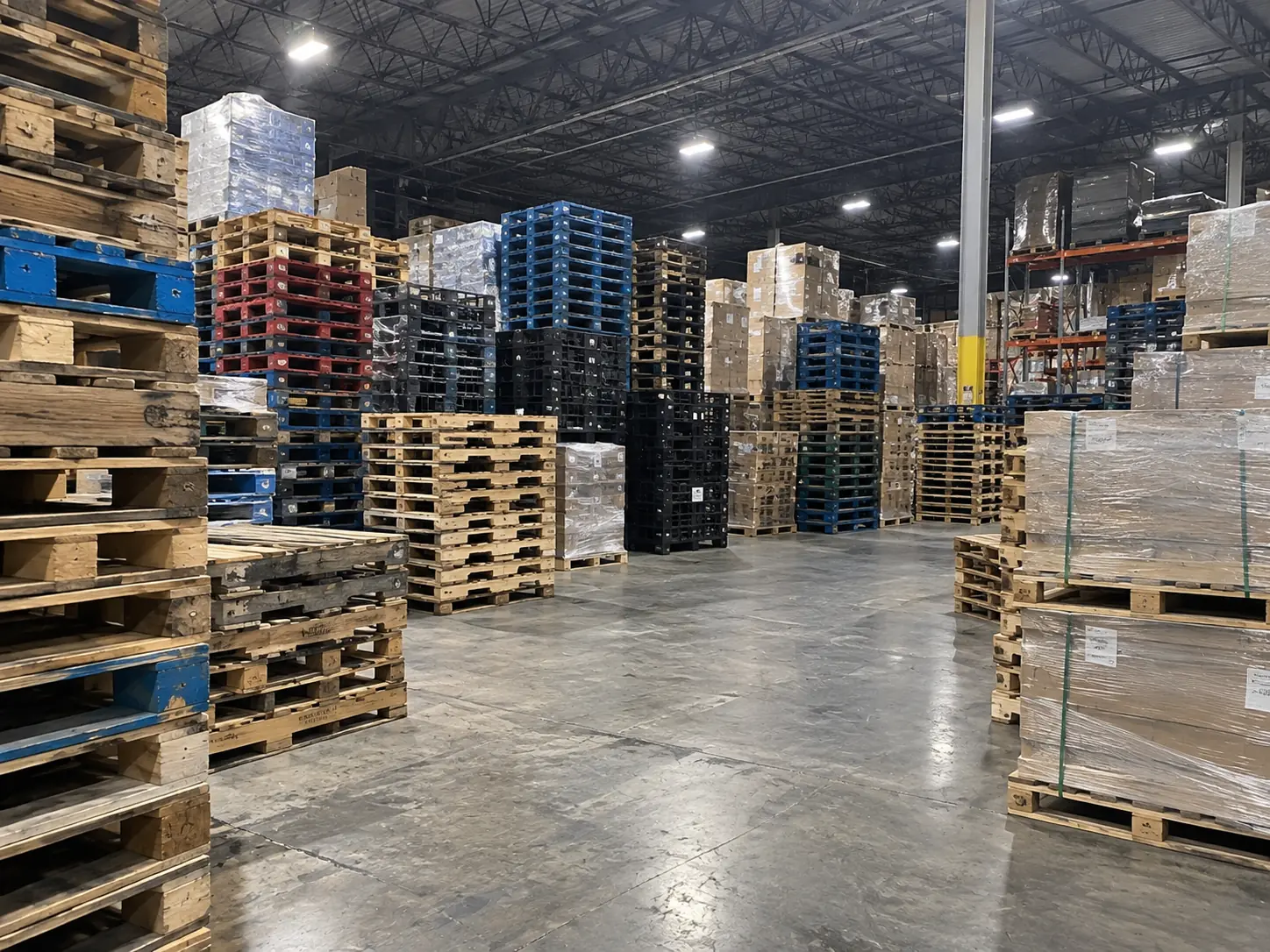
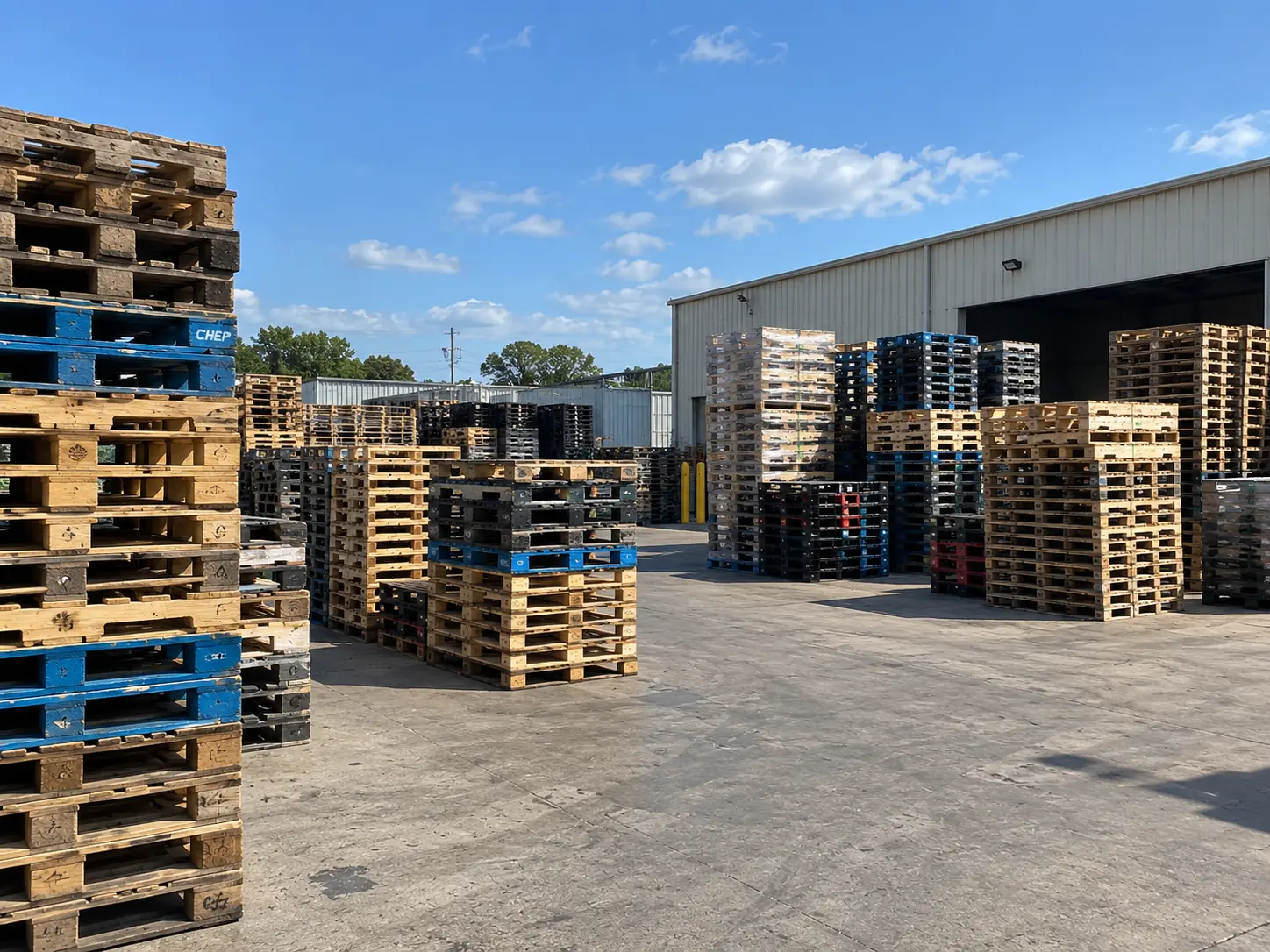
The eight facts
- Quantity, and over what period
500 pallets once is a different quote from 500 pallets a month. The second one is cheaper per unit and gets scheduled differently.
- Footprint
If you do not know, say so and describe the load instead. We would rather specify it than have you guess and be wrong.
- What it carries, and how much it weighs
This is what actually determines the build. Weight, distribution and stack height together decide stringer count and deck configuration.
- Delivery postal code
Freight is the largest variable in this business and it is entirely geographic. A quote without a postal code is not a quote.
- Whether it goes into racking
Racked capacity is the smallest of the three ratings. If the answer is yes, that is the number we design to.
- Whether it leaves the country
Export means ISPM-15 heat treatment and kiln scheduling — five to seven days that need to be in the timeline from the start.
- Cadence
One-off, monthly, weekly, or seasonal. Standing volume gets standing pricing, and a delivery day rather than a delivery guess.
- Whether empties accumulate at the same site
This is the one nobody mentions and the one with the largest effect. If we can collect where we deliver, the round trip is already paid for.
Photographs beat descriptions
Two phone photographs answer questions a page of text will not. For a purchase, photograph the load as it currently sits — we will see the overhang, the wrap, the stack height and the case geometry at once. For a collection, photograph the pile from two angles — we will see the grade mix, whether it has been rained on, and what equipment can reach it.
We ask for them constantly and people are often reluctant, as though a photograph were an admission of something. It is the opposite: it is the fastest route to an accurate number, and an accurate number tends to be a lower one because nobody is pricing in uncertainty.
What comes back
- Unit price and freight as separate lines — never combined, because you cannot optimise what you cannot see
- Piece count per trailer, so you can plan receiving
- Photographs of the actual reserved lot for recycled stock
- Lead time, and what it depends on
- Where relevant, an honest note that a lower grade or a different footprint would serve you better
Appendix: the data behind this
Every piece on this site closes with the slice of our operating record that bears on what it argues. The full record is published at /resources/operating-record.
Freight as a share of delivered cost, by distance
This is why the postal code is one of the eight. Without it we cannot price the largest single line in the quote.
| Distance band | Freight share | Cadence | Note |
|---|---|---|---|
| 0 – 30 miles | ~6% | Same day / next day | Freight is a rounding error. Grade choice dominates the invoice. |
| 31 – 75 miles | ~11% | Twice weekly | Still unit-price led. Split drops start to hurt here. |
| 76 – 130 miles | ~19% | Weekly | The crossover band. Full loads materially cheaper per unit. |
| 131 – 200 miles | ~27% | Weekly / biweekly | Round-trip pairing becomes the single largest lever available. |
| 201 – 250 miles | ~34% | Biweekly consolidated | Edge of company equipment. Split drops rarely make sense. |
| 251 – 400 miles | ~41% | Consolidated / partner | Brokered at cost plus a disclosed fee. We label it as such. |
| Over 400 miles | ~48% | Partner lane | Freight exceeds the wood. We will usually say so and suggest somebody closer. |